Carbon Nanotube and Graphene Production
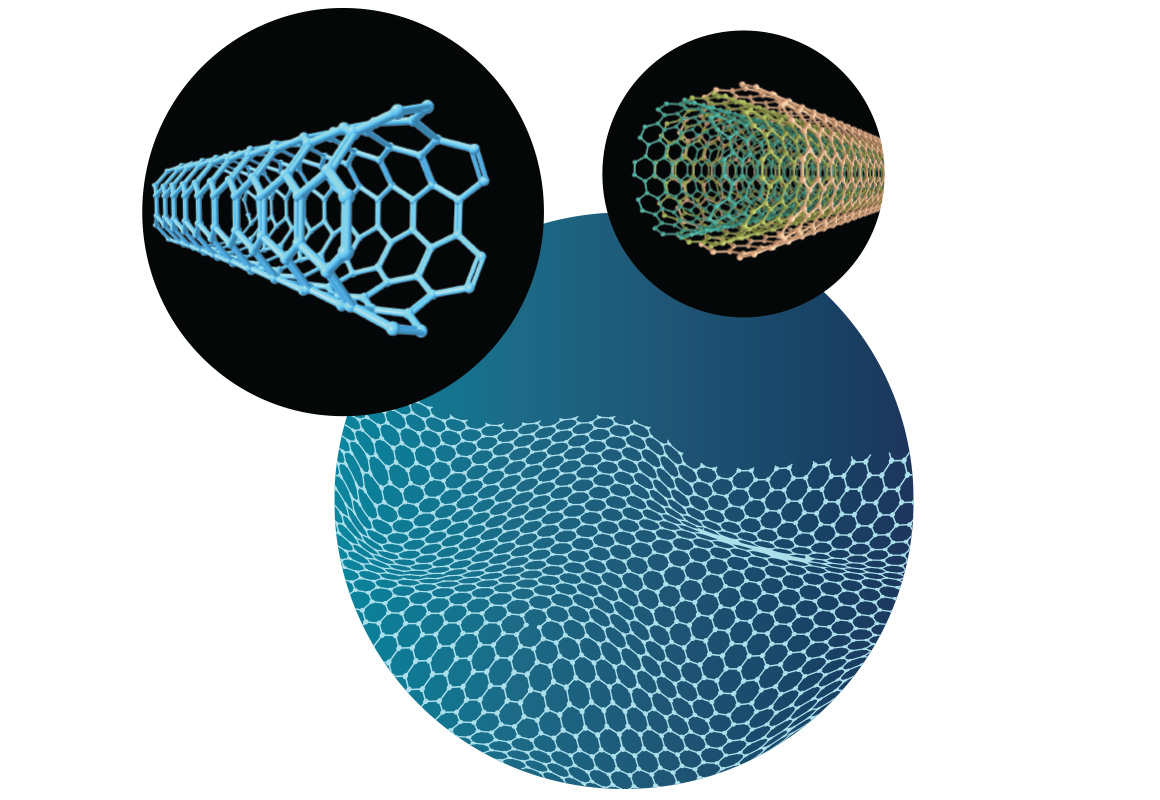
Carbon nanotubes and graphene are incredibly fascinating and revolutionary materials that have the potential to bring about significant transformations across all industries. However, due to their extremely high cost, these materials are typically only used in research centers and universities. We have succeeded in producing carbon nanotubes and graphene at a much more affordable price, allowing us to use them in our own projects and offer them to industries as additives.
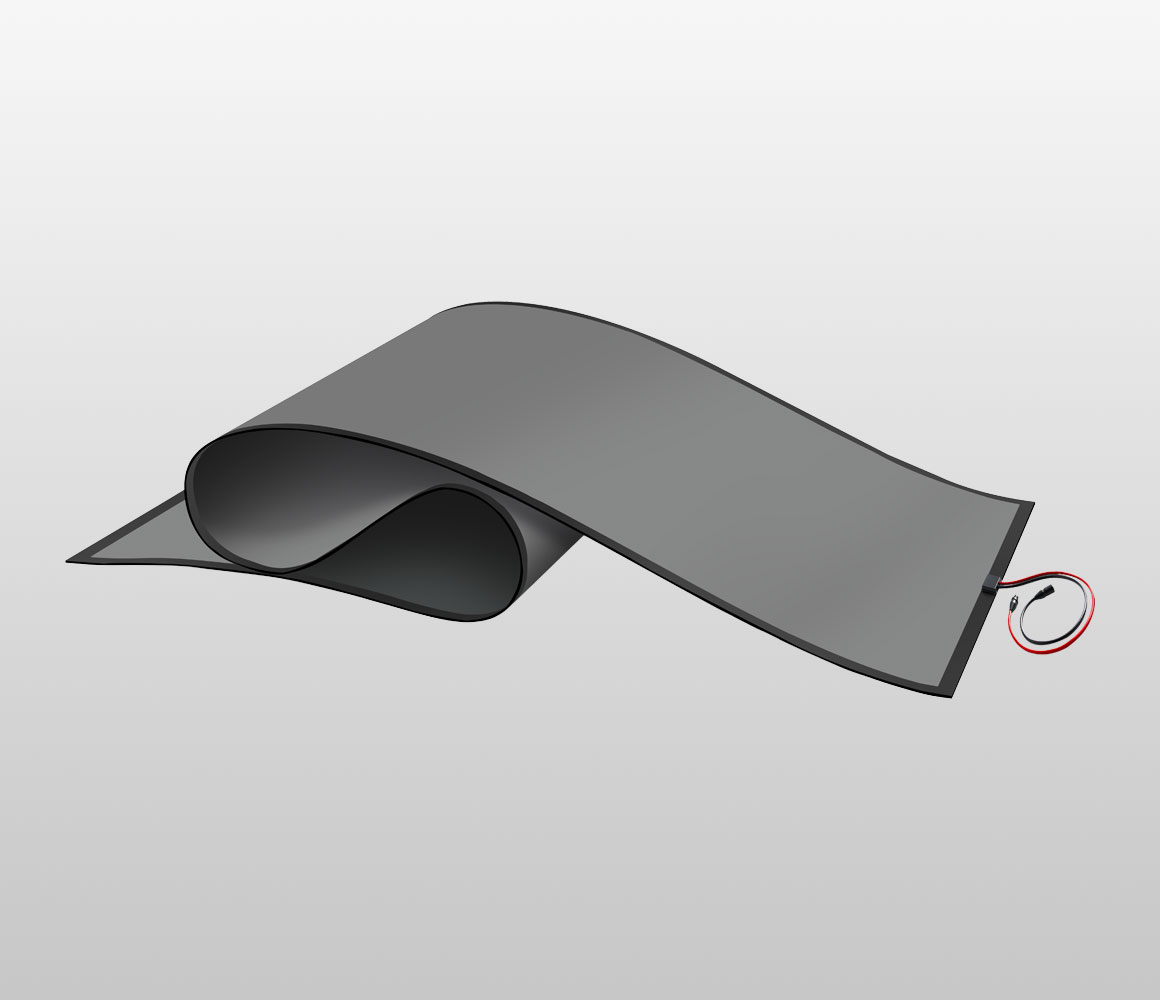
Smart Glass
Smart glass refers to glass that can be electronically controlled to become opaque or transparent via remote control. Until today, this technology has been implemented using liquid crystals. These types of glass have a very large market, but the technology has been exclusive to certain countries. We have successfully used carbon nanotubes to produce smart glass and achieved completely similar results.

Battery
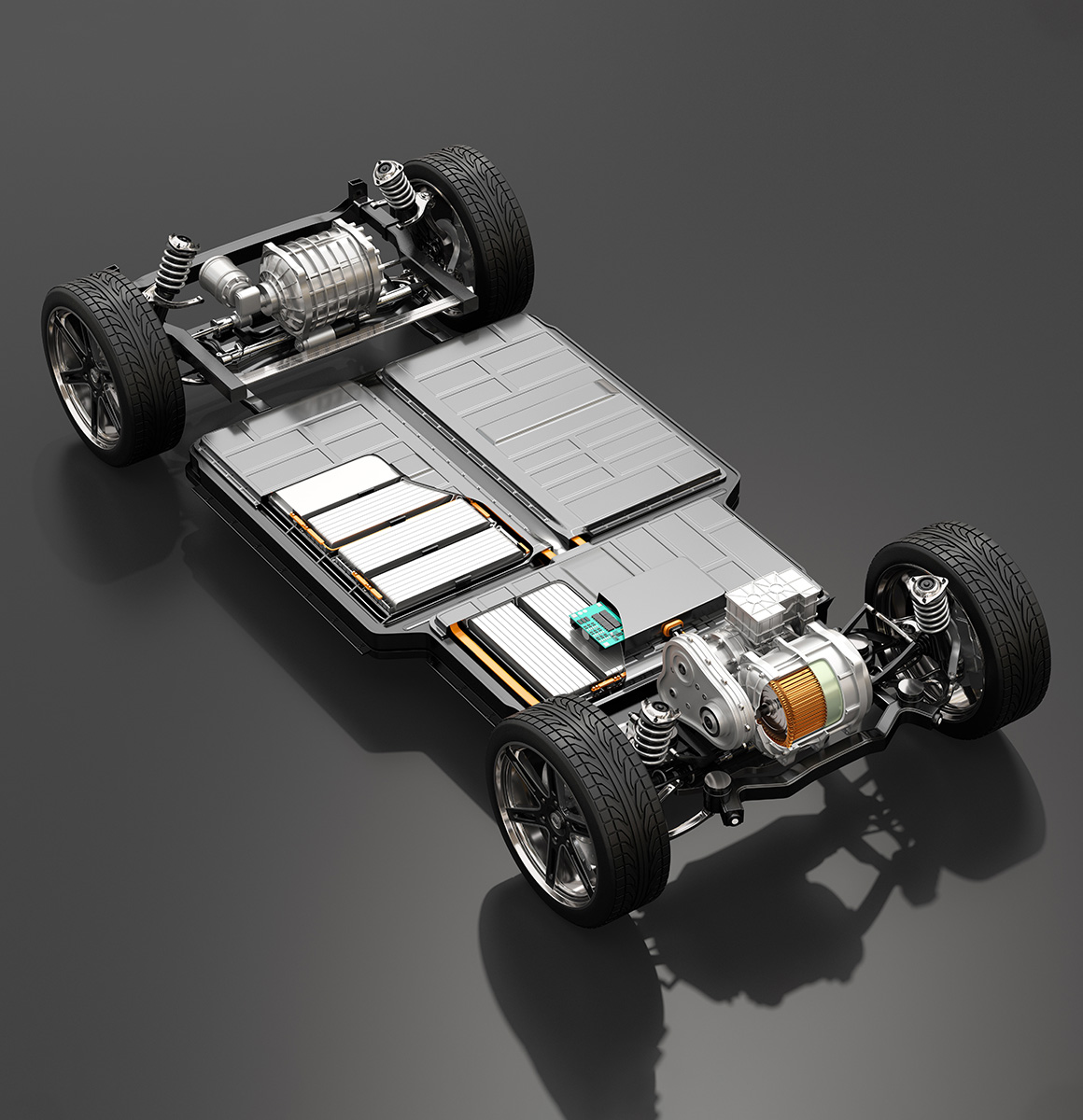
Currently, the global focus is on the development of batteries for electric vehicles. However, existing battery technologies face significant challenges, including high weight, excessive thickness, long charging times, and safety concerns.
The batteries developed by NEXAR offer an advanced solution to these limitations through an innovative approach. These batteries are designed to eliminate overheating and the risk of explosion, significantly enhancing safety.
In terms of performance, NEXAR batteries can be fully charged in just 3 minutes, while being approximately 50% lighter than conventional batteries and designed with 40% less thickness. In addition, they offer a lifecycle up to three times longer than standard battery technologies.
These features position NEXAR batteries as a next-generation energy storage solution capable of creating a major transformation in the electric vehicle industry and beyond.
Fiber
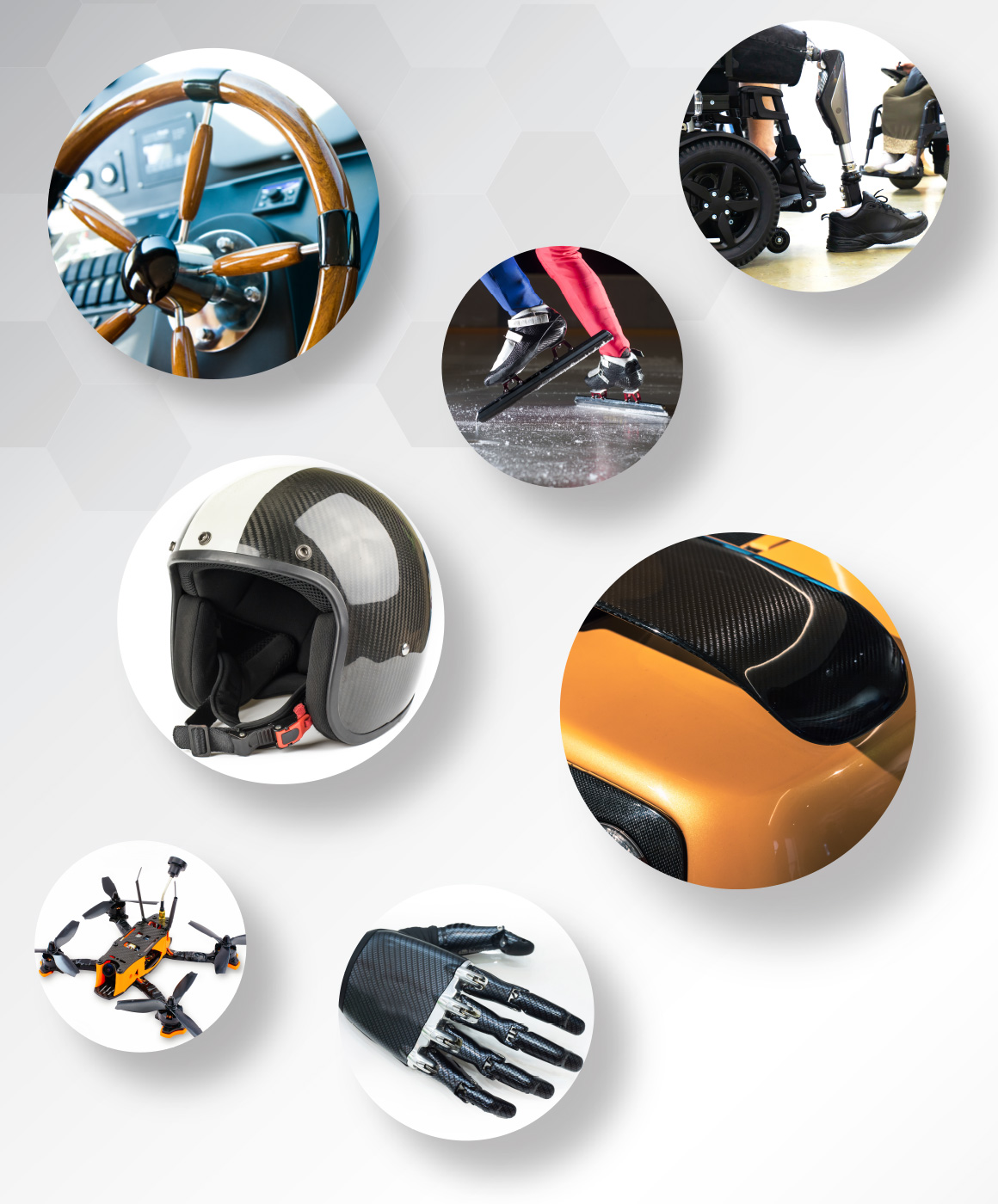
The fibers currently used in industries are typically glass fibers, Kevlar, and carbon fibers. Kevlar fibers have extremely high strength, which is why they are used in bulletproof clothing or sports equipment that require high impact resistance. However, Kevlar fibers weaken when exposed to water and UV light. Carbon fibers are very strong but have low impact resistance. Both fibers have high thermal resistance; Kevlar can withstand up to 450°C, while carbon fibers can withstand up to 1000°C. Using carbon nanotubes, we have successfully produced an extremely lightweight fiber that is several times stronger than carbon fibers and has much higher impact resistance than Kevlar fibers. Our fibers are highly resistant to water, chemicals, and UV light, and can withstand temperatures up to 3000°C. In fact, we currently possess the strongest fibers in the world, which can also be used in the production of composites.

Unbreakable Glass
Using graphene, we have successfully produced unbreakable glass that is much stronger than regular glass. It has high thermal resistance, is scratch-resistant, and is lighter in weight.
Solar Cell
Since silicon, at its best, can only absorb 40% of sunlight, we decided to eliminate silicon and, using graphene and carbon nanotubes, we successfully produced a solar cell that is extremely lightweight and can absorb 89% of sunlight. The electron mobility in our cells is one hundred times faster than that in silicon. Unlike silicon, which can only move electrons in a specific wavelength range, our cells can generate electricity with any wavelength, from IR to UV. For these reasons, a conventional panel requires a minimum of 5 square meters of space and weighs about 30 to 50 kilograms to produce one kilowatt of electricity. In contrast, with our cells, just one square meter can generate one kilowatt of electricity, and the panel weighs only 3 kilograms.